Gathering Landscapes

Gathering Landscapes

Photo: Jules Lister

For 150 years, West­on Park Muse­um has reflect­ed how peo­ple have gath­ered and trea­sured aspects of the world around them. This new exhi­bi­tion, curat­ed by the Heavy Water Col­lec­tive (artists Maud Haya-Baviera, Vic­to­ria Lucas and Joan­na Whit­tle), exam­ines the curi­ous, beau­ti­ful, macabre and mag­i­cal con­nec­tions peo­ple have made to the land through over 400 objects from Sheffield’s eclec­tic muse­um collections.

Since pre­his­to­ry, humans have sought to make sense of the nat­ur­al world through art, rit­u­al and the act of col­lect­ing. Agri­cul­tur­al, sci­en­tif­ic, indus­tri­al and eco­nom­ic shifts across the Glob­al North have trans­formed humans’ engage­ment with the land. Nature and cul­ture have become oppos­ing forces in the pur­suit of progress. What was once deemed sacred is now, to many, a lucra­tive nat­ur­al resource. Yet, humans’ spir­i­tu­al con­nec­tion to the land­scape endures. As humans became removed’ from nature, rep­re­sen­ta­tions of the nat­ur­al world and the roman­ti­cised land­scape grew. Nat­ur­al land­scapes were cel­e­brat­ed by arti­sans, reduc­ing the wild to the dec­o­ra­tive, per­haps as a form of remem­brance for what has been mapped, con­quered and destroyed elsewhere. 

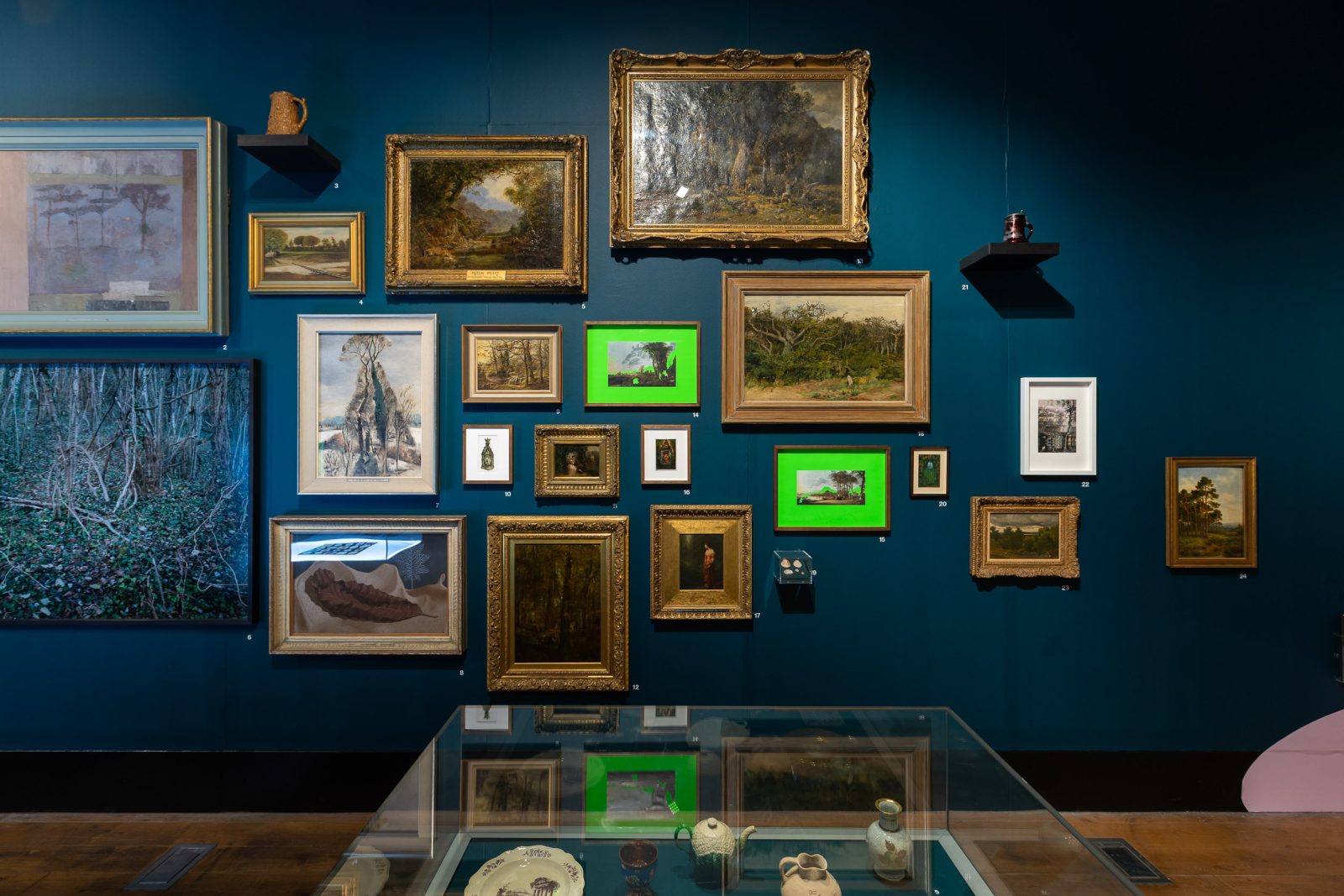
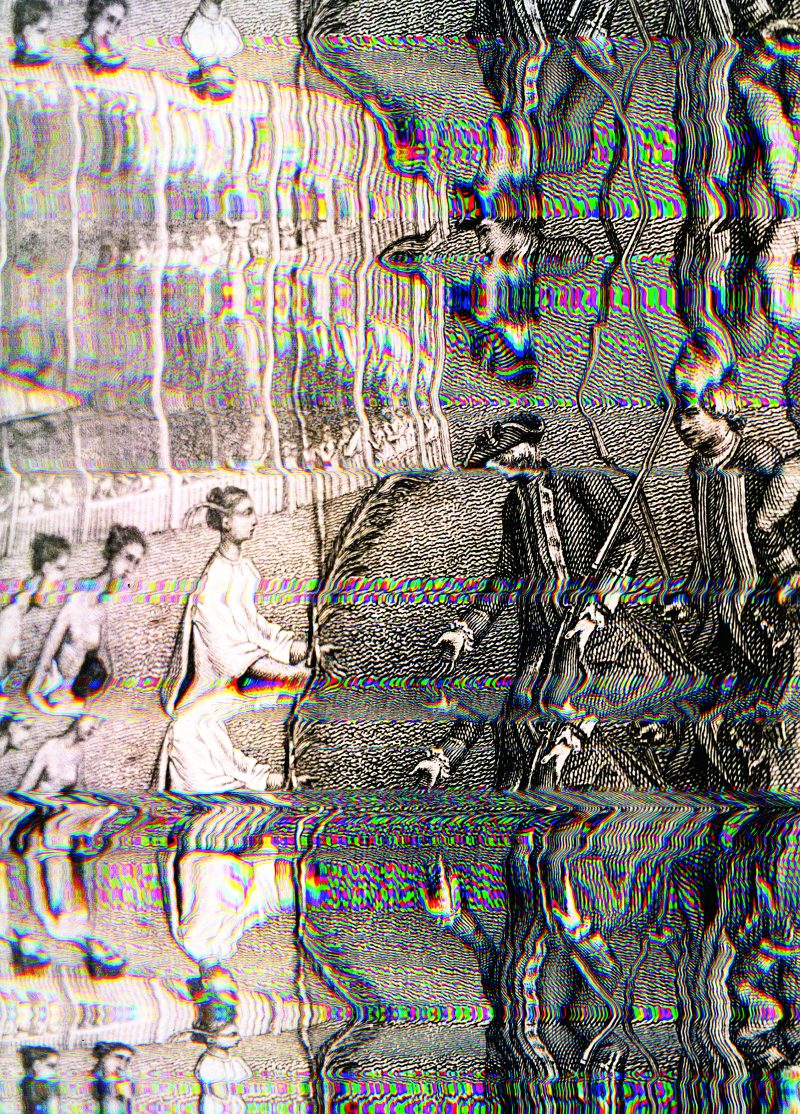
Gath­er­ing Landscapes presents items found in Sheffield’s Nat­ur­al Sci­ence, Arche­ol­o­gy, Social His­to­ry, Met­al­work and Indus­try and Art col­lec­tions. Rather than pre­sent­ing objects by cat­e­go­ry or date, Heavy Water Col­lec­tive have select­ed items to make visu­al and con­cep­tu­al con­nec­tions. These resist the idea of nature as sta­t­ic and sep­a­rate; instead high­light­ing its entan­gle­ment with rit­u­al and mean­ing, exploita­tion and loss, hope and resilience. Heavy Water Collective’s art­works also appear as mark­ers across the dis­plays, cre­at­ing prompts to invite vis­i­tors to see objects and his­tor­i­cal nar­ra­tives in new ways. As we face cli­mate cri­sis, the need to recon­sid­er land­scapes becomes more urgent than ever. 

Vis­it the Sheffield Muse­ums web­site for fur­ther infor­ma­tion and to organ­ise your visit.

Pro­gramme High­lights include Cura­tor’s Tour, British Sign Lan­guage Tour, HWC Work­shop and Evening Talk.

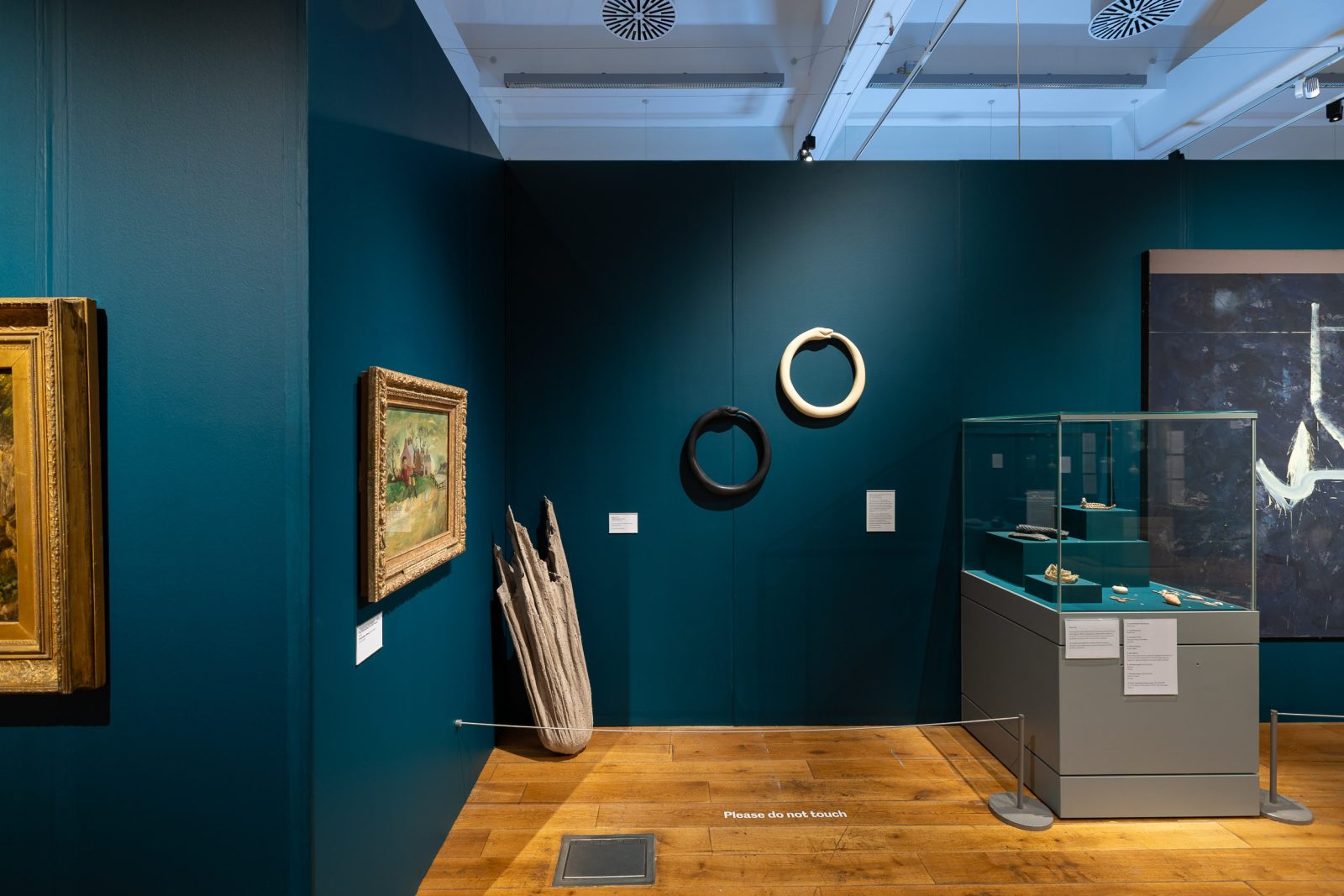
Rit­u­al Landscapes

This sec­tion explores how com­mu­ni­ties in pre-indus­tri­al times cre­at­ed deep con­nec­tions to their sur­round­ings through rit­u­al and belief. The bur­ial offer­ings, tokens of mourn­ing and rit­u­al objects on dis­play reveal how land­scapes were giv­en mean­ing far beyond their phys­i­cal form. The land­scape was not only a source of food and shel­ter, but a home to spir­its, sym­bols and sites of sacred practice.

Folk­lore and ancient belief sys­tems trans­lat­ed nat­ur­al fea­tures into pow­er­ful sym­bols, turn­ing the land itself into a liv­ing archive of mem­o­ry and myth. By engag­ing with the super­nat­ur­al, com­mu­ni­ties expressed both belong­ing and vul­ner­a­bil­i­ty with­in their envi­ron­ments. This could be through rit­u­als of mourn­ing, offer­ings to ances­tral spir­its, or the mark­ing of sacred spaces. Seen togeth­er, these arte­facts demon­strate that the nat­ur­al was woven into the rhythms of dai­ly life. They trans­form what we see as ordi­nary land­scapes into places of mean­ing, pro­tec­tion, and continuity.

Photo: Jules Lister

Photo: Jules Lister

Photo: Jules Lister

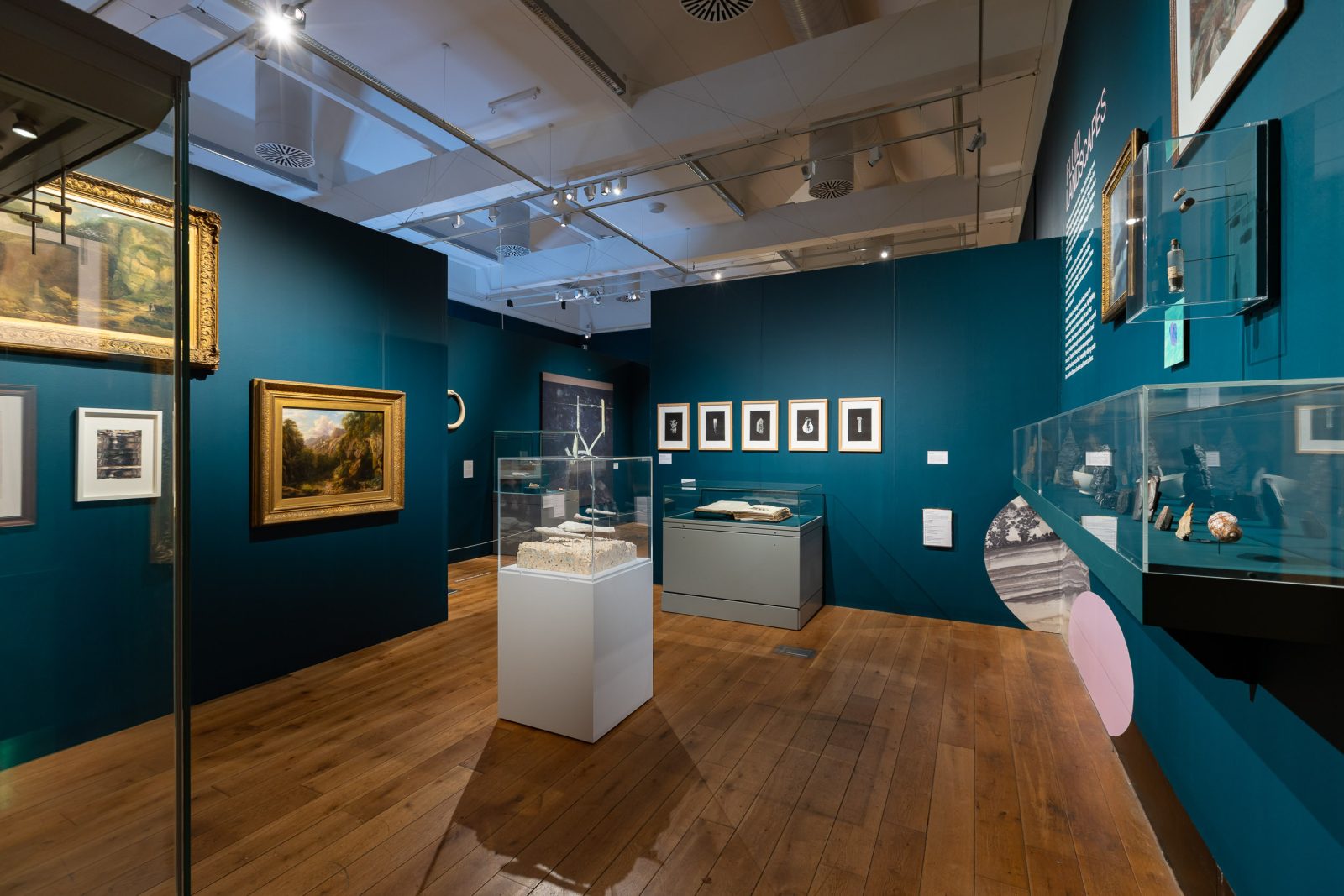
Flu­id Landscapes

Land­scapes are nev­er sta­t­ic. They shift slow­ly over time through geo­log­i­cal process­es, yet can also be trans­formed sud­den­ly by human action. This sec­tion brings togeth­er objects that reflect both the rhythms of the earth and the marks left by min­ing, con­flict, and farming. 

From vol­canic rock to mete­orites that have trav­elled through space, these mate­ri­als remind us of the deep his­to­ries car­ried with­in land­scapes. Archae­o­log­i­cal and geo­log­i­cal sam­ples reveal the ways humans have long stud­ied and drawn resources from the ground. They expose the impact of extrac­tion on nat­ur­al environments.

Oth­er items speak of land­scapes scarred by war, reshaped through vio­lence, destruc­tion, renew­al and recov­ery. In con­trast, objects linked to agri­cul­ture trace the ongo­ing rela­tion­ship between land and food, high­light­ing how farm­ing both sus­tains life and alters ecosys­tems. Togeth­er, these objects encour­age us to con­sid­er land­scapes as flu­id things, sites of mem­o­ry, resource, con­flict, and imag­i­na­tion, con­stant­ly shift­ing under the com­bined forces of nature and human actions.

Photo: Jules Lister

Photo: Jules Lister

Photo: Jules Lister

Photo: Jules Lister

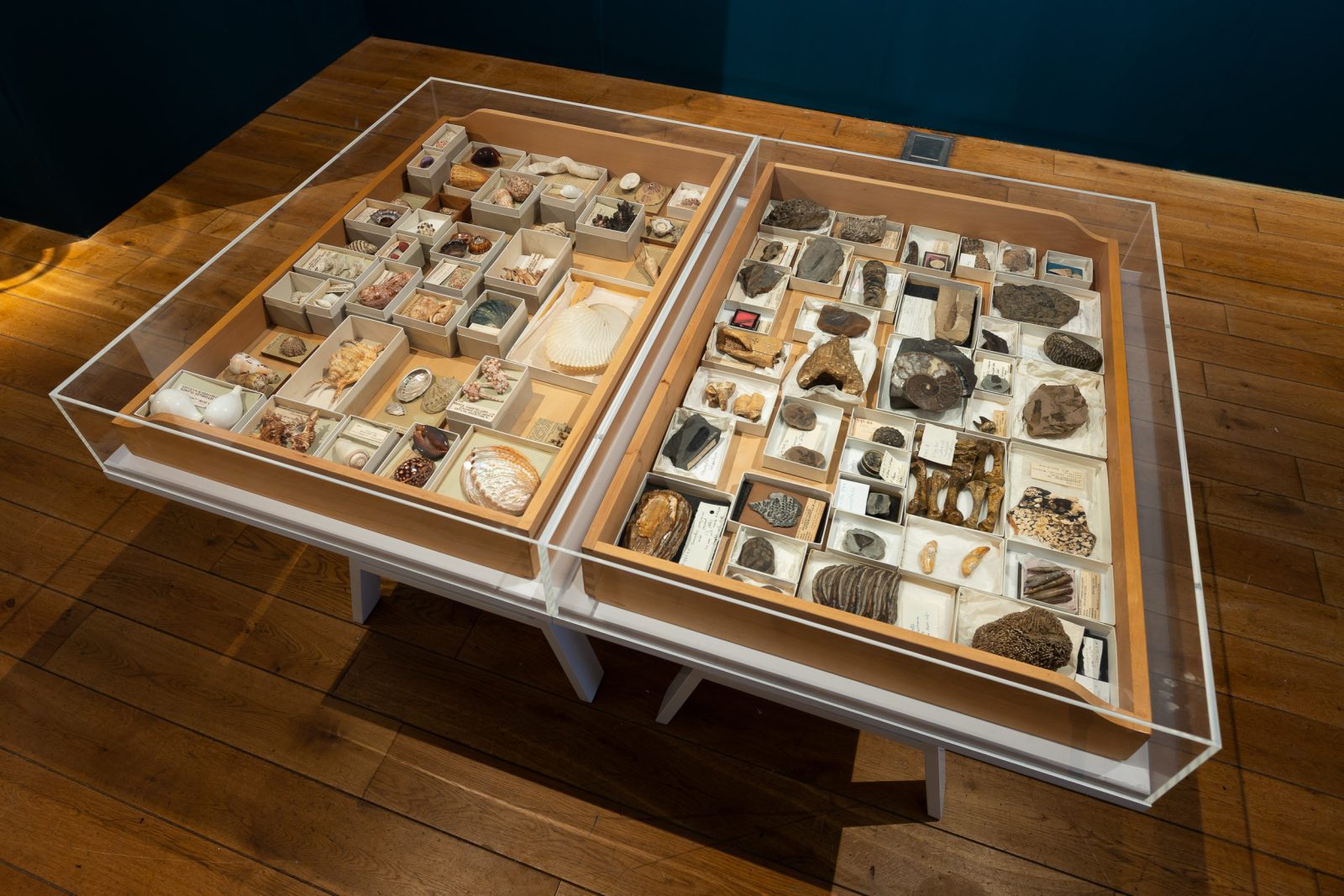
Col­lect­ed Landscapes

This sec­tion high­lights the long and com­plex his­to­ry of col­lect­ing objects, both in the UK and over­seas. Corals, fos­sils, and shells are pre­sent­ed here not only as beau­ti­ful spec­i­mens, but also as traces of the ways peo­ple have sought to under­stand, record, and pre­serve the nat­ur­al world. Often gath­ered for sci­en­tif­ic study, the objects reveal the com­pli­cat­ed role of the col­lec­tor with­in the broad­er con­text of coloni­sa­tion. The gath­er­ing of nat­ur­al mate­ri­als fre­quent­ly took place in lands colonised by the British Empire, where land­scapes were exploit­ed and local knowl­edge ignored. 

These col­lec­tions remind us that that the desire to clas­si­fy the nat­ur­al world was some­times bound up with the pow­er to con­trol it. At the same time, these objects speak of loss. As human indus­try trans­formed coast­lines and reefs, shells became the relics of van­ish­ing envi­ron­ments. Today, they car­ry a dou­ble weight, as evi­dence of sci­en­tif­ic curios­i­ty, but also as reminders of bio­di­ver­si­ty under threat. By look­ing close­ly, we can reflect on the lega­cies of col­lect­ing, and on the frag­ile bal­ance between appre­ci­a­tion, preser­va­tion, and exploitation.

Photo: Jules Lister

Photo: Jules Lister

Photo: Jules Lister

Photo: Jules Lister

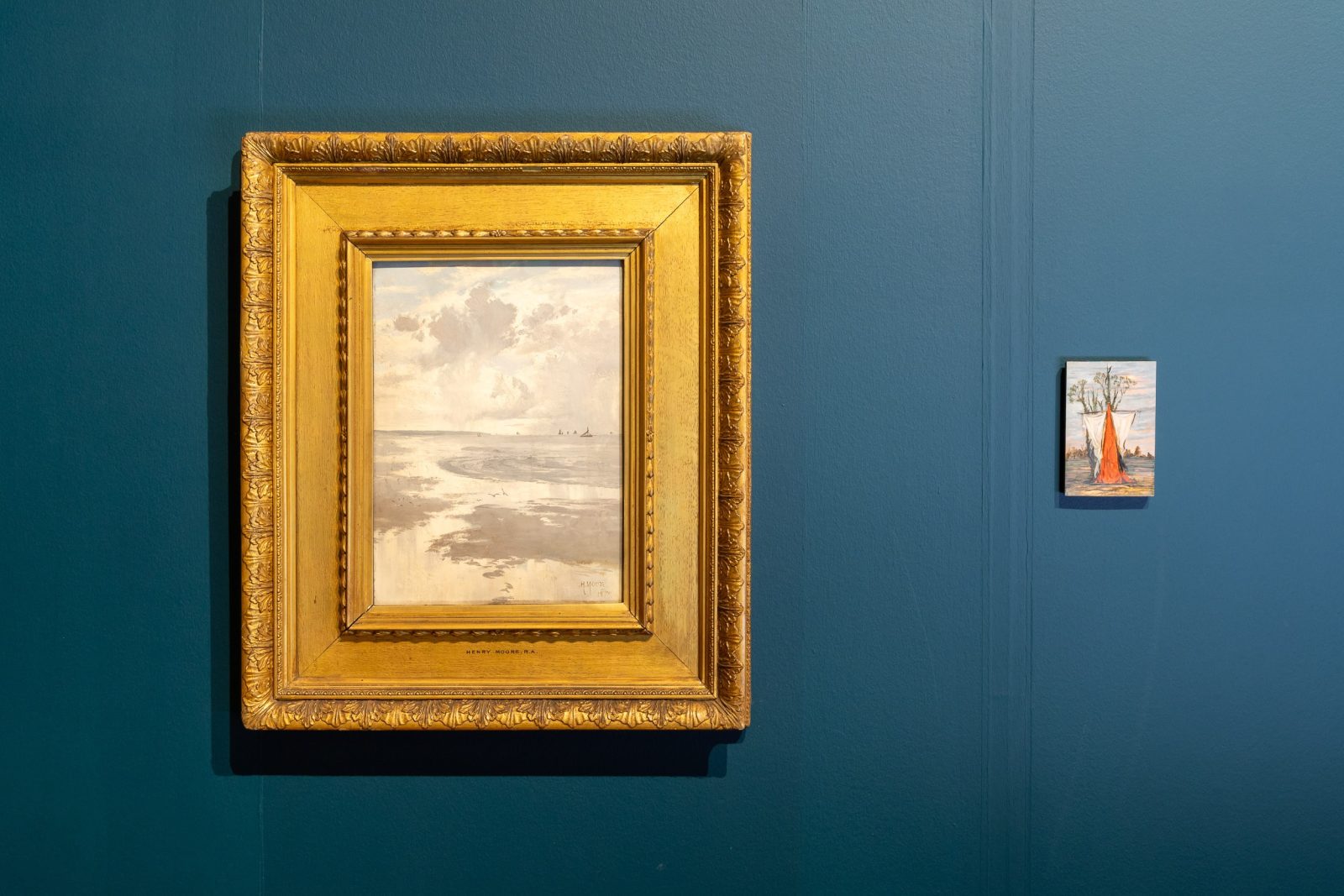
Rep­re­sent­ed Landscapes

As human activ­i­ty reshaped the land and trans­formed access to nature, pas­toral rep­re­sen­ta­tions of flow­ers, leaves, shells, ani­mals and views increas­ing­ly appeared on domes­tic objects such as ceram­ics and cut­lery. These brought frag­ment­ed reminders of the nat­ur­al land­scape into the home. At the same time, roman­ti­cised land­scape paint­ings cel­e­brat­ed an ide­al vision of the nat­ur­al, even as indus­tri­al expan­sion and envi­ron­men­tal change trans­formed the land beyond recognition. 

Parks and gar­dens offered con­struct­ed encoun­ters with nature, where land­scape became some­thing to be designed, ordered, and con­sumed. This sec­tion explores how land­scapes, once lived and expe­ri­enced direct­ly, became increas­ing­ly expe­ri­enced through objects, images, and con­struct­ed envi­ron­ments. These rep­re­sen­ta­tions are more than dec­o­ra­tion. They are pow­er­ful tools that shape how we imag­ine, val­ue and inter­act with the nat­ur­al world. This process con­tin­ues today. Reflect­ing on what land­scape is, and could be, lies at the heart of this exhibition.

Photo: Jules Lister

Photo: Jules Lister

Photo: Jules Lister